Code as a Canvas
What playing music for fifteen years taught me about building software

I was in the middle of building the hardest feature our team had ever shipped, Adaptive Organize. To pull it off, a dozen different systems all had to talk to each other. AI pipeline, layout engine, user content, the interface holding it all together. Nothing worked in isolation. Every piece depended on every other piece, and my job was to make them feel like one thing instead of twelve.
And somewhere in the middle of wiring it all together, I realized I’d done this before. Plenty of times.
Not in code. In a rehearsal room. On the stage performing.
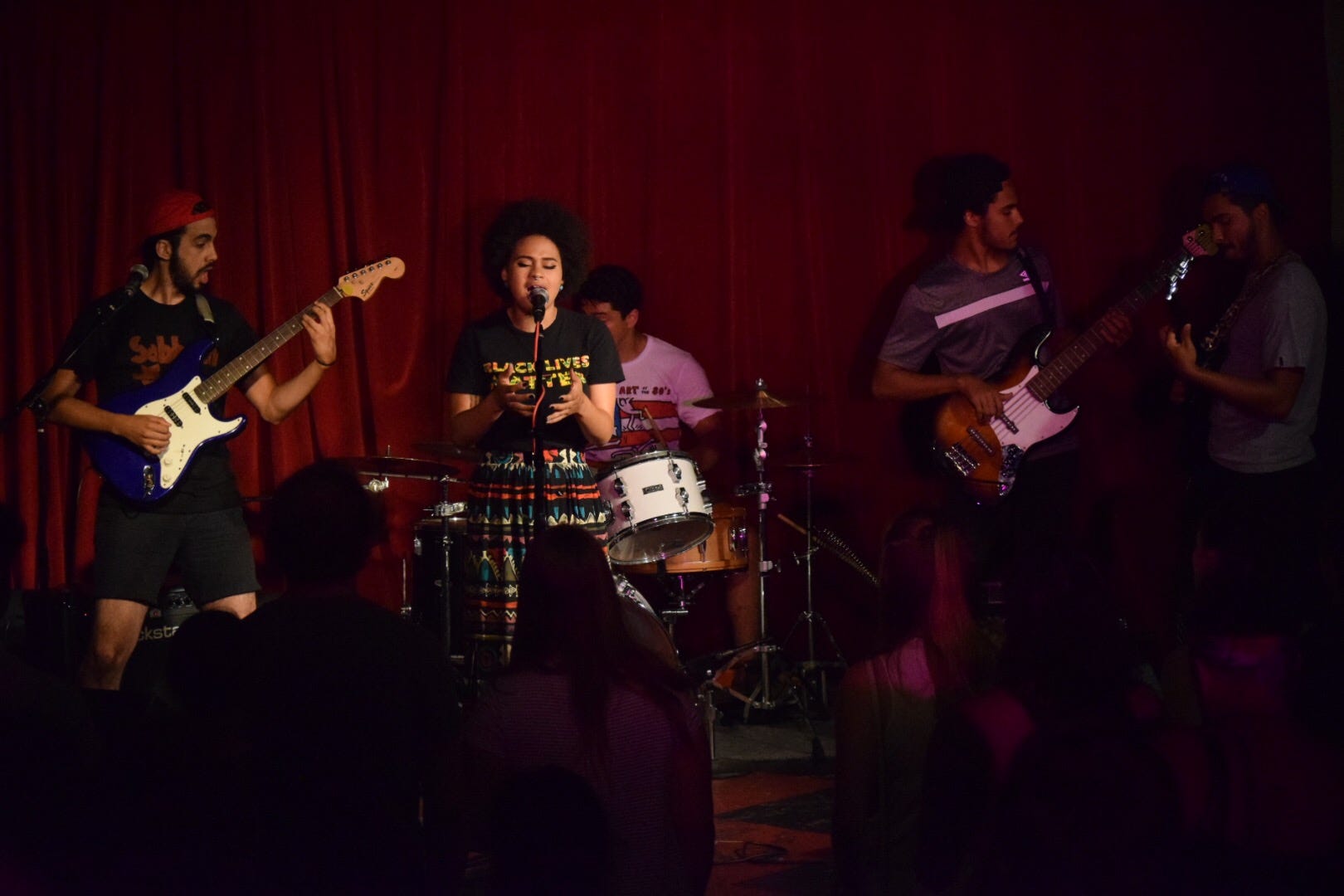
I played guitar in a band from 2009 to 2017. Eight years of writing parts, learning other people’s parts, figuring out how to make five instruments sound like one thing instead of five things happening at the same time. If you’ve ever been in a band, then you know — the song never comes to life on the sheet music. It comes to life when you’re playing it and you hear where the notes actually land. Where the bass locks in with the kick drum. Where the guitar needs to pull back so the vocals can breathe. Where the groove is hiding and how you find it together.
That’s what building Adaptive Organize was.
I was the conductor walking in with sheet music, directing different aspects of the codebase to play together. The AI pipeline needed to lock in with the layout logic the same way a rhythm section locks in with the melody. When one system was too loud — pulling too many resources, dominating the user experience — the other systems couldn’t breathe. When the interface tried to do too much before the content pipeline had done its work, the whole thing fell out of time.
And just like a song, this feature didn’t come alive from the architecture diagram. It came alive in iteration. By playing it, listening to where it clashed, adjusting, playing it again.
That wasn’t a metaphor I was borrowing. It was the same skill. I just hadn’t named it yet.
The naming happened because I started paying attention.
Every morning, I journal. Not about code but about everything. What happened yesterday. What I made. What I played. What I noticed about myself as a musician, as a creative, as a person. And then I carry those reflections into the day. Into meetings. Into architecture decisions. Into the way I talk to my team.
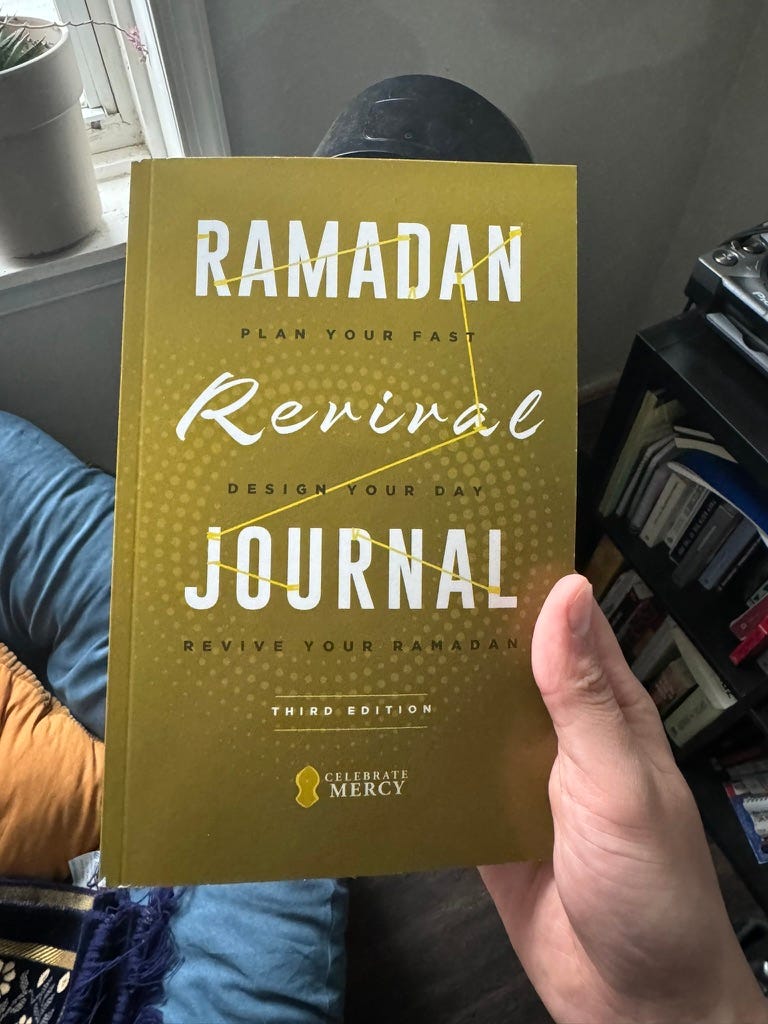
It wasn’t a one-time exercise. It was a ritual. And over time, the transfer became impossible to ignore. I’d write about how a rehearsal taught me to listen before I played, and then I’d walk into a sprint planning meeting and realize I was doing the same thing -- listening to where the team was before I started directing. I’d reflect on what it felt like when a song finally locked in after weeks of it not working, and I’d recognize that same feeling when a stubborn integration finally clicked.
The connections were always there. The journaling just gave me a place to see them.
But here’s the thing about seeing something in a notebook -- you don’t really trust it until you say it out loud.
I started talking about it. At PhilaCon Valley, the community I started in Philly. At local meetups. At local shows in the scene. In conversations online. And what I found was that I wasn’t the only one. Other people had their own versions of this. Their own creative skills they’d been running on at work without ever naming where they came from. They just never had a room where it was okay to say it.
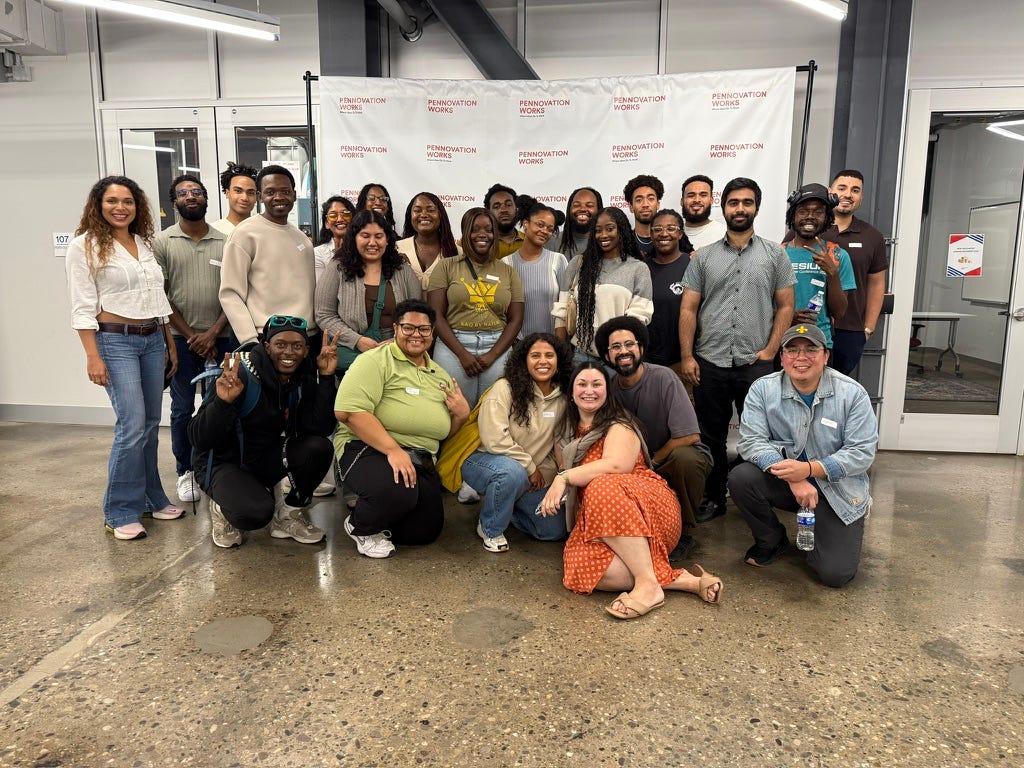
The journal was where I found my own connections. The community was where I realized this was bigger than me. That there are creators all over tech who’ve been quietly using skills they built somewhere else, because nobody ever told them it counted.
Both music and engineering taught me the same thing: the plan is never the thing. The thing is what happens when the plan meets the room.
So I decided to say it on a stage.
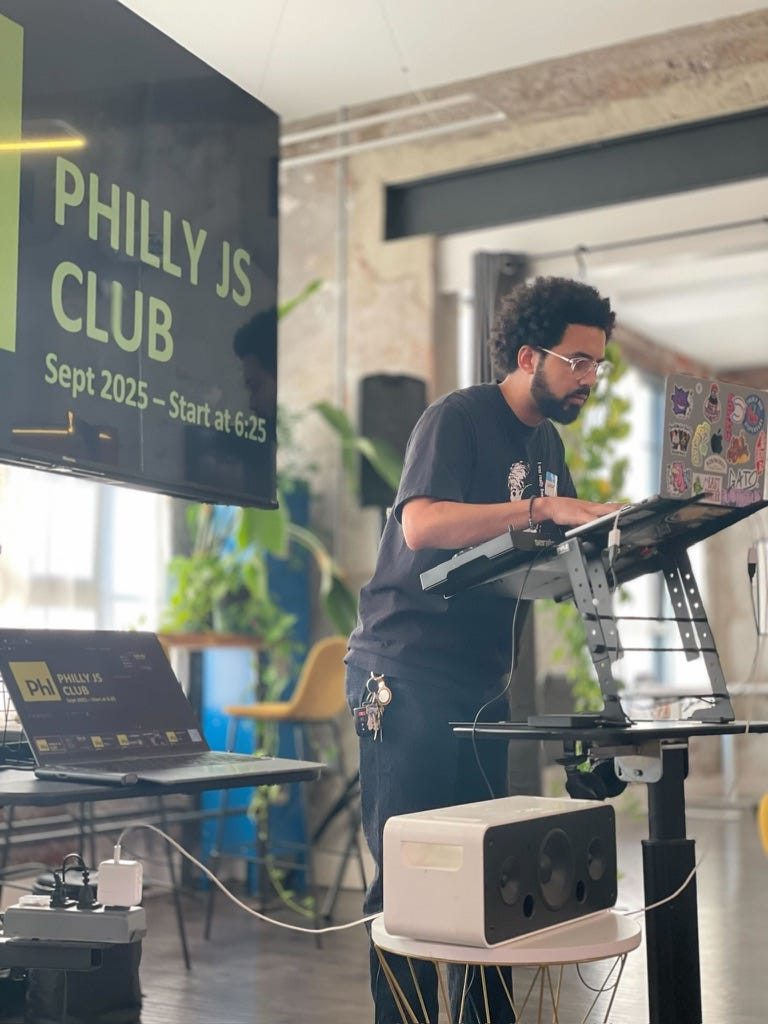
I almost didn’t submit to AfroTech this year. I kept thinking, who submits a talk about music to an engineering conference?
And then I thought about who’s actually in that room. Creators who code. People who make music and ship features. People who paint and push commits. People who’ve been told -- the way I was told, the way a lot of us are told -- that those two things don’t belong in the same sentence.
This year I submitted to AfroTech, LeadDev Berlin, Codemotion, Chain React. A talk called “Code as a Canvas.” I don’t know which ones will say yes. But I know the talk is real, because I’ve been living it. And because I’ve heard enough people tell me their version of it to know it’s not just mine.
So if you’re reading this and you have a thing — a creative thing, a weird thing, the thing you do on weekends that never makes it onto the resume — I want you to try something.
Tomorrow morning, sit down before you open your laptop. Write about what you did yesterday. And not just the work stuff, but the other stuff. The thing you played, the thing you made, the thing you noticed. And then ask yourself one question: where did that show up in my work without me realizing it?
You might not see it the first day. That’s fine. But if you keep asking, the connections will start surfacing. The skills you built in one world that you’ve been quietly using in the other. The instincts you sharpened somewhere that have nothing to do with code and everything to do with how you think.
Because the best feature I’ve ever built wasn’t inspired by other software. It was inspired by fifteen years of learning how to make different parts play together. First with instruments, then with turntables, and now with code.
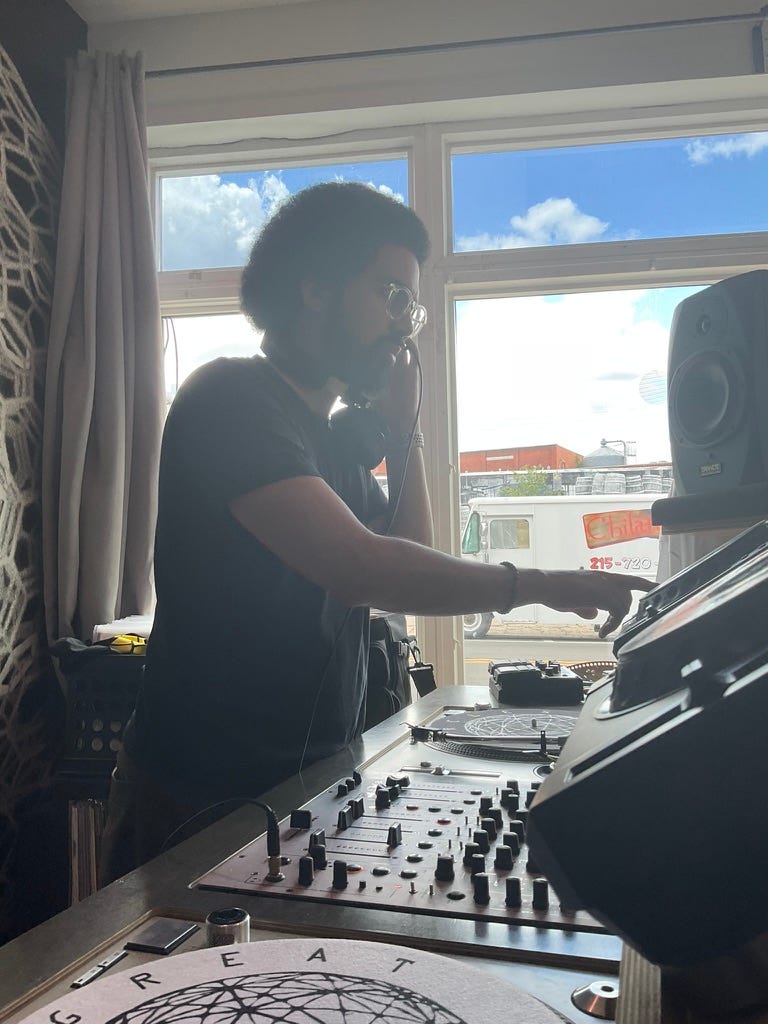
Your creative life isn’t separate from your technical career. It never was.
You just haven’t sat down and listened for it yet.
I’m Waskar — CTO of Ideate, DJ, guitarist, founder of PhilaCon Valley. I write about what it’s actually like to build a startup when you’re still figuring it out. If this resonated, I’d love to hear what creative skill you’ve never connected to your work. Hit reply — I read everything.
ASA the discovery of your generation is something you was gifted is that
It’s ALL ART!!!
Looking forward to meeting !
Keep Going!!